🏫 "Like never-ending summer camp": Becketwood senior co-op turns 40
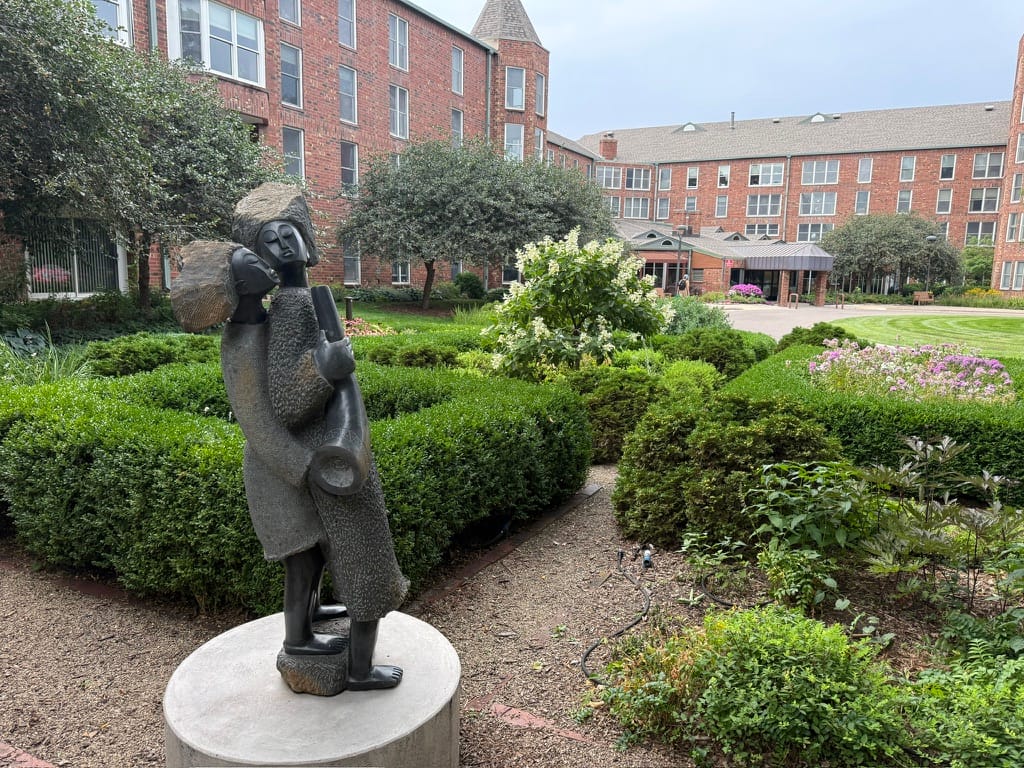
Inside Becketwood senior co-op, where the most distinctive feature isn't the idyllic riverside campus, but how really, very, extremely, almost-comically engaged most residents are in the enterprise.
“It’s a little slice of Utopia in South Minneapolis.”
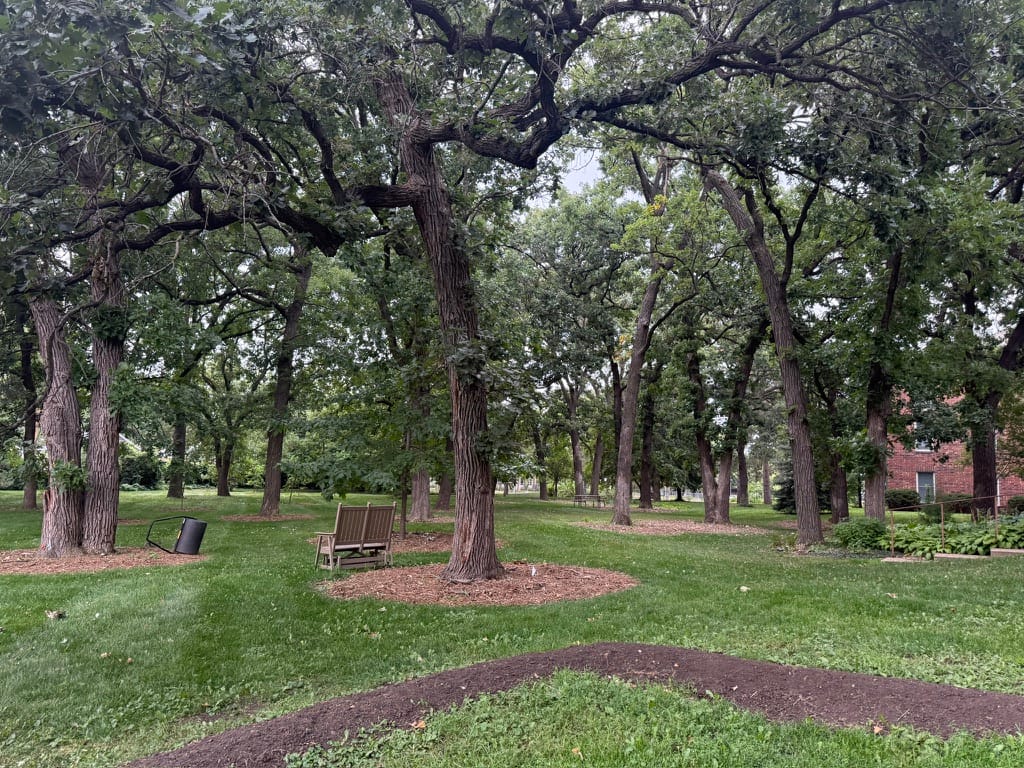
That’s how Iric Nathanson describes Becketwood, his home of the past 15 years, as we stroll through the oak savannah that rings the campus. I’m talking to the 40-year Longfellow resident under the aegis of his role as one of Becketwood's de facto historians, as the cooperative approaches its 40th anniversary.
Like virtually everything else that gets done there, commemorating the 40th anniversary is a concerted group effort. Iric is one of a half-dozen residents who’ve formed a “40th Anniversary Committee" to plan a slate of programming around the milestone. His contribution includes a series of articles in the Becketwood Times — one of Becketwood's two internal news outlets – and a 30-page history publication that will be distributed to each of the facility’s residents. Which is separate from a compendium of self-written histories of Becketwood's most notable committees that another committee member, Lynn Pegg, compiled.
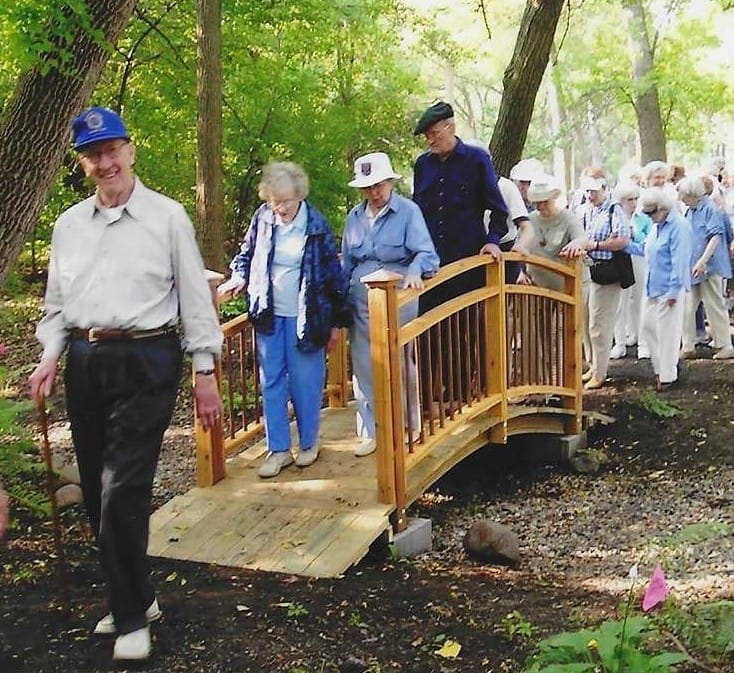
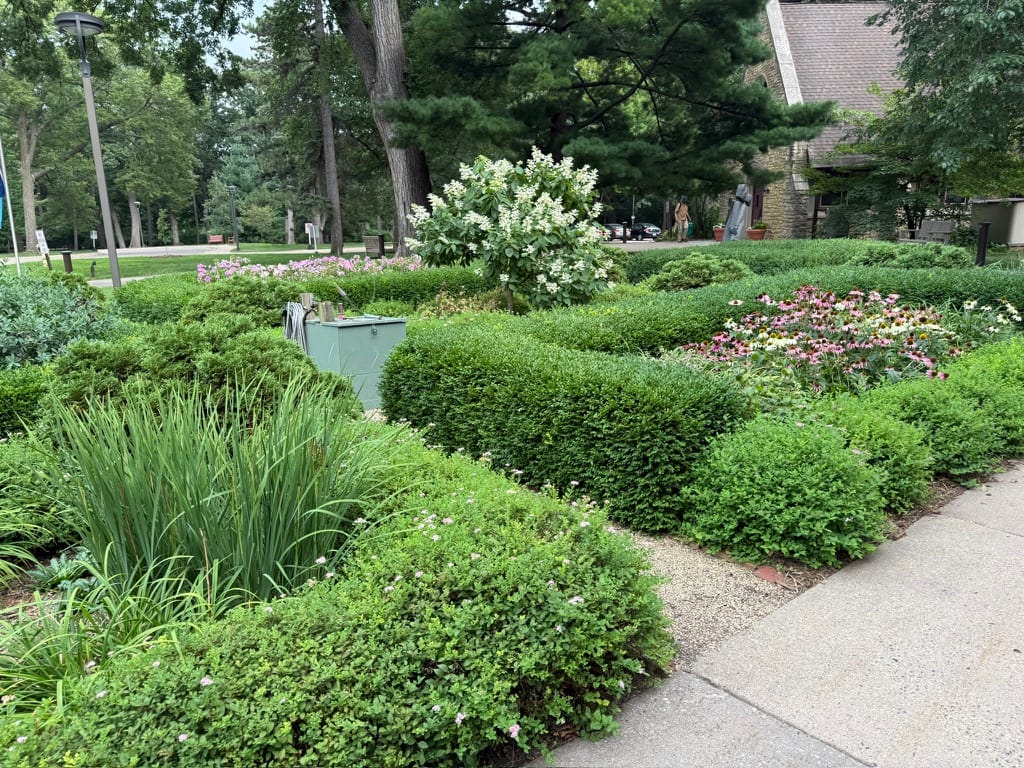
As we chat we pass by some of the 53 landscaping gardens that dot the grounds, each planted and tended by a volunteer from the Garden Stewards group. Which are not to be confused with the 84 raised plots in the community garden, each belonging to a resident, nor the adjacent communal plots of rhubarb and raspberries that anyone can harvest from. It's also distinct from the Fernwood Glen, where the Landscape and Garden Committee transformed an old dumping ground into an extensive wildflower garden, bisected by a wooden footbridge made by volunteers in the wood shop. (The name was chosen from a stack of 148 submissions by a separate naming committee.)
Every 30 seconds or so, Iric stops to exchange a pleasantry with somebody he knows by name. The sun dapples through the leaves; the chatter of the birds drowns out whatever car noise would otherwise bleed in from West River Parkway. Inside, a screening of a PBS documentary on improving the election process is wrapping up. Soon the dining room will fill up for dinner service — which several people take pains to tell me is head-and-shoulders above standard senior home fare — before the night concludes with a show by a South Minneapolis puppeteering group.
Utopia isn't just another way of saying "a very nice place." It's a genre of thought experiment about how people ought to live together, with common tropes: Isolated privacy; bucolic natural beauty; benevolent governance that anyone can partake in; wholesome stimulation; tight community. Maybe most alluringly, the classic Utopias feature people who spend most of their time and energy on what suits their interest, or skills, or sense of what’s worthwhile.
By those criteria, Becketwood might just fit the bill. If you can get a spot, that is.
Background
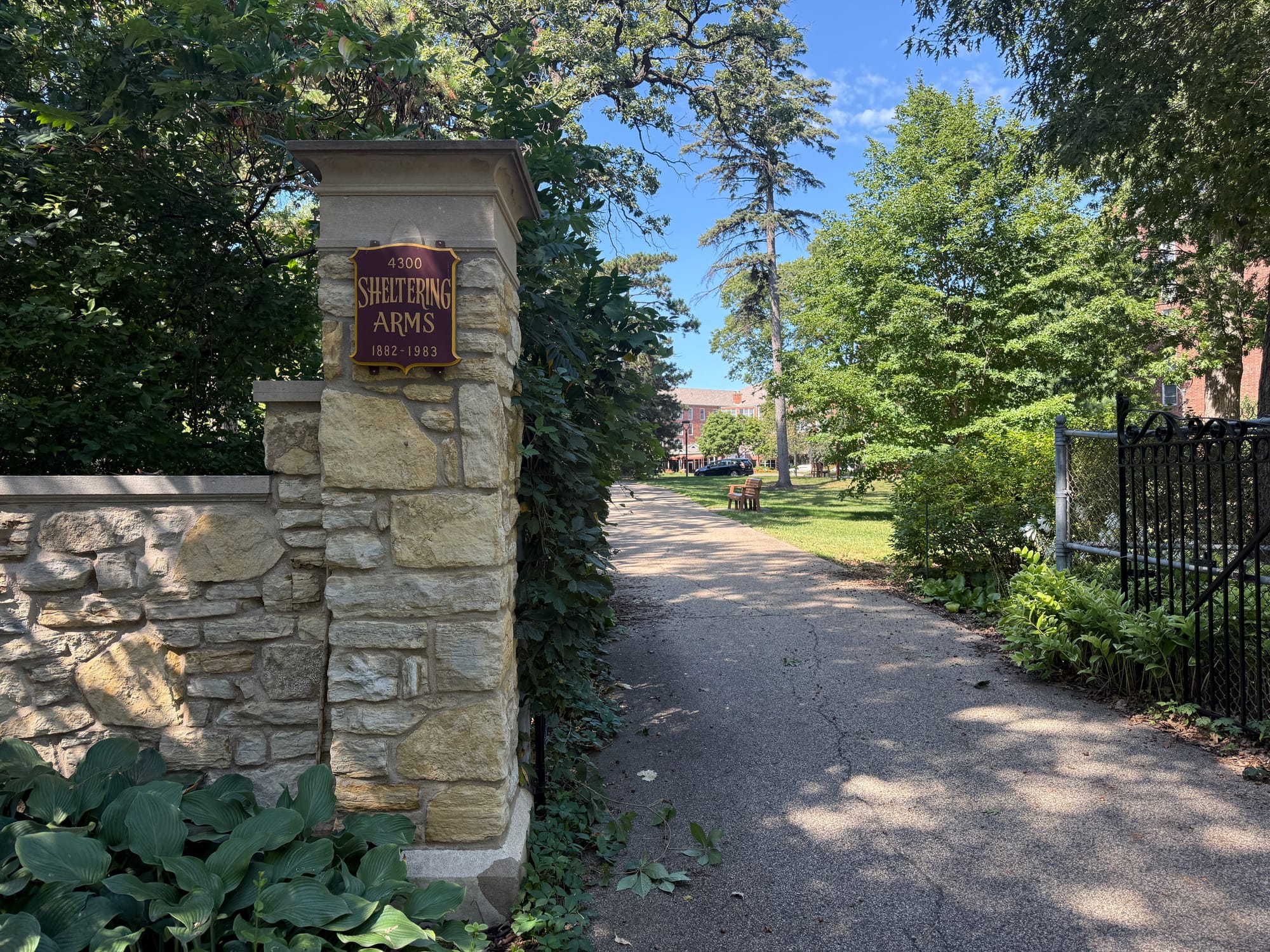
In the speculative land-buying frenzy of the 1850s, early Minneapolis settler Richard Martin bought a 120-acre plot of riverside land just north of Minnehaha Falls, with an eye toward the development of a new city that never panned out. When he died in the 1890s, the Episcopalian willed the entire parcel to Sheltering Arms, the state's first orphanage, which a charismatic Episcopalian nun named Sister Annette Relf had opened in North Minneapolis in 1882.
Sheltering Arms built a new facility on the site in 1910. Over the years, the Episcopalian church would raise funds for the orphanage by selling off pieces of the parcel, which would eventually become the Lock and Dam No. 1, the Dowling School, Breck (later the Minnehaha Academy Lower Campus), and the Luella A. Anderson neighborhood.
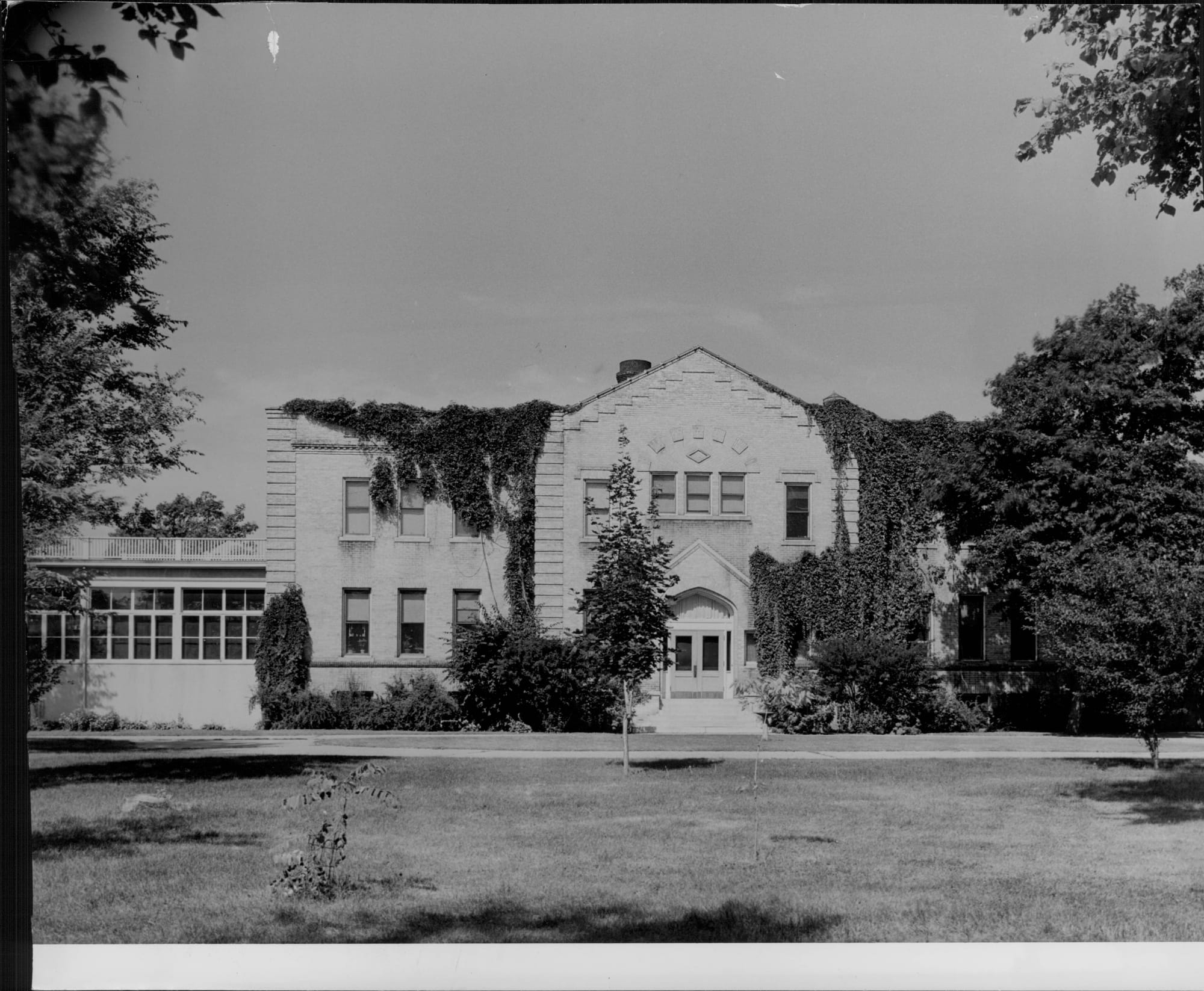
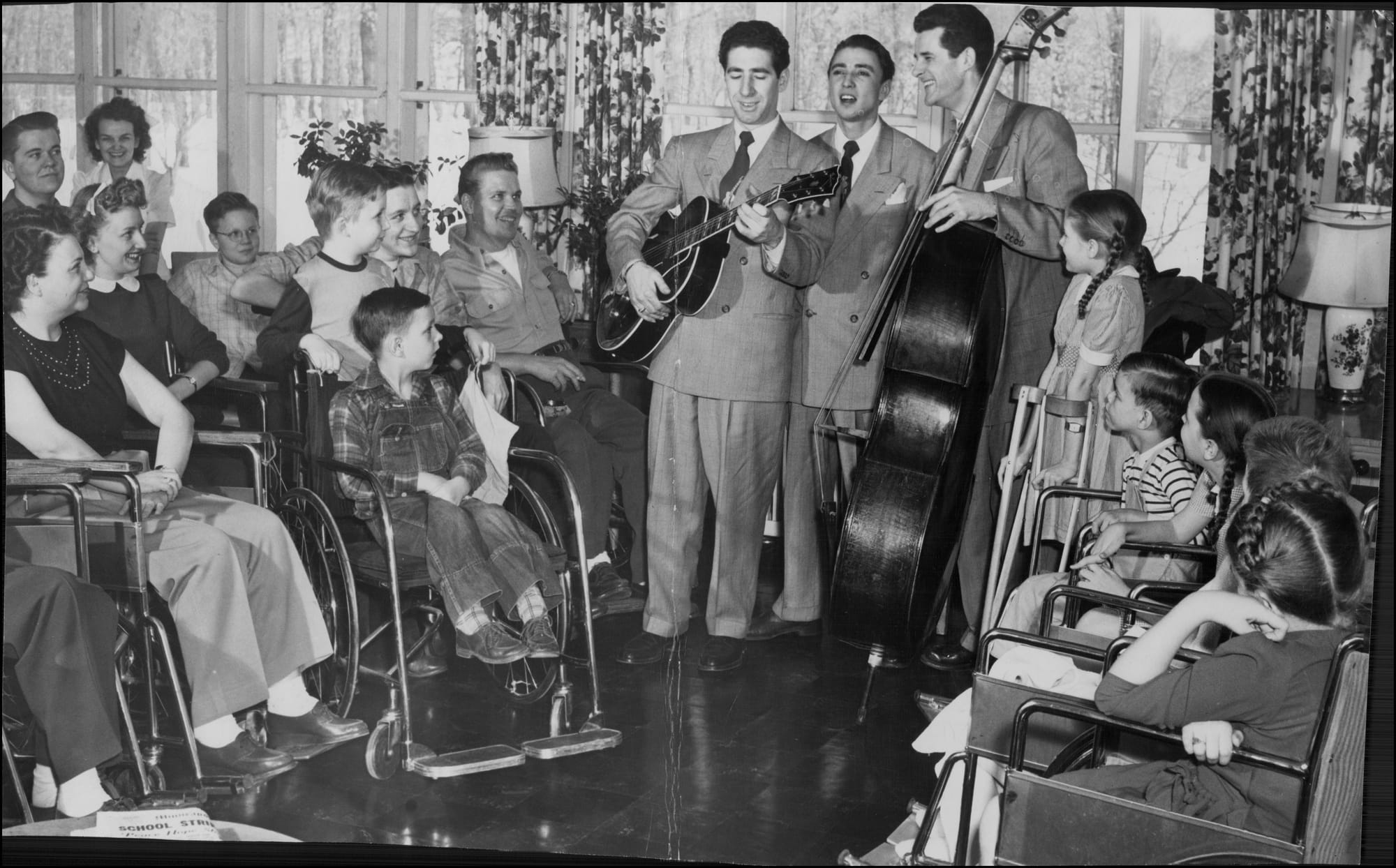
Sheltering Arms had a long and varied life on the site. It operated as an orphanage until WWII. When the emergence of the foster care system made orphanages less popular, it pivoted to serving people with polio. Once the polio vaccine was developed in the fifties, it became a facility for kids with developmental disabilities. Eventually, a movement to bring special-needs children into the mainstream school system made that model obsolete, as well.
At that point, in the early eighties, the church declared that Sheltering Arms had achieved its mission and announced it was selling the land to Episcopal Homes, a large nonprofit nursing home and senior living complex in St. Paul. By then the original 120-acre site had been reduced to 13 acres.
A group of 12 women from the Episcopal Homes Board of Directors formed a workgroup to design the new enterprise — an ethic of volunteer self-starterness that would come to define the new community. They pushed for an "independent senior living" facility, a 55-plus community that's culturally geared toward older people but doesn't provide any medical services. That was a relatively new concept at the time; most people lived in their home until they were physically unable and then moved into a nursing home, often with great reluctance.
It was also on the heels of the co-op movement that had rippled through housing and business in the preceding decades. A few years prior, an Edina facility called 7500 York had become the first senior housing complex in the country to use a cooperative model, where residents buy into ownership of the property and govern its operations. The group decided to make Becketwood a cooperative, too.
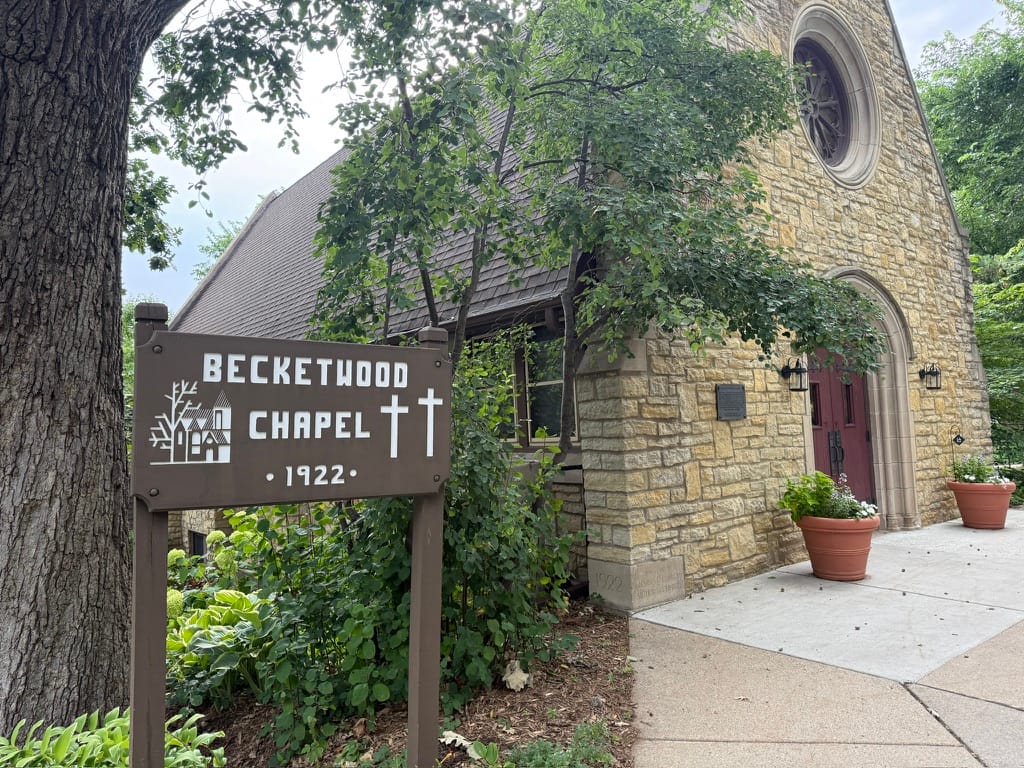
The facility opened in 1986 in basically the same configuration that exists today: A sprawling 211-unit complex, buffered by a broad lawn and oak savannah on all sides. As a condition of the sale, the church required Becketwood to preserve the 1922 Sheltering Arms chapel on the grounds. The first crop of residents moved in with a sense of taking part in a kind of novel experiment — especially the large contingent who dared to venture across the river from St. Paul.
Becketwood at 40
Today there are 280 residents, a group that generally skews upper-middle-class (while it's far from luxury housing, Becketwood is more expensive per square foot than many other independent senior living options), older (though you can join as soon as you're 55, the median age is 80), and female (women just live longer). There are no medical services offered, though residents can hire external help.
Residents purchase a share in the cooperative that's tied to a particular unit. Unlike many housing co-ops, where you buy in at a fixed price and are returned your initial share price plus modest interest when you leave, Becketwood's model functions more like a condominium — units are bought and sold at market price, usually for a profit. Also unlike many of its peers, the cooperative doesn't carry any outside debt.
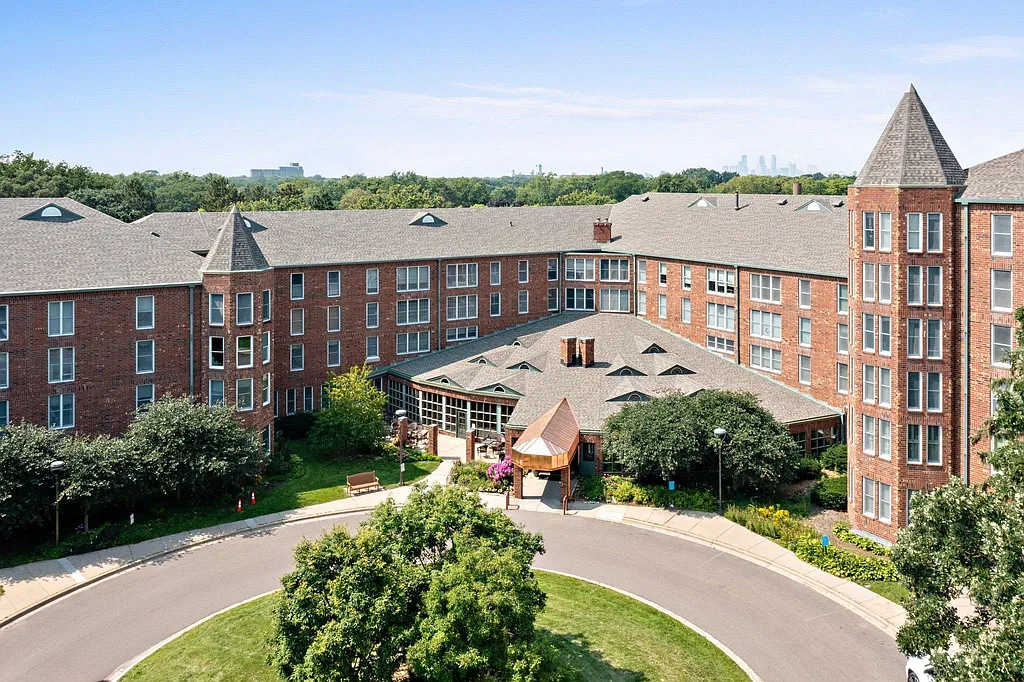
But the most distinctive thing about Becketwood is how really, very, extremely, sometimes-comically engaged most of the residents are in the enterprise. The formal nine-person governing board and its six subcommittees represent just a sliver of the branching bureaucratic machinery of the place.
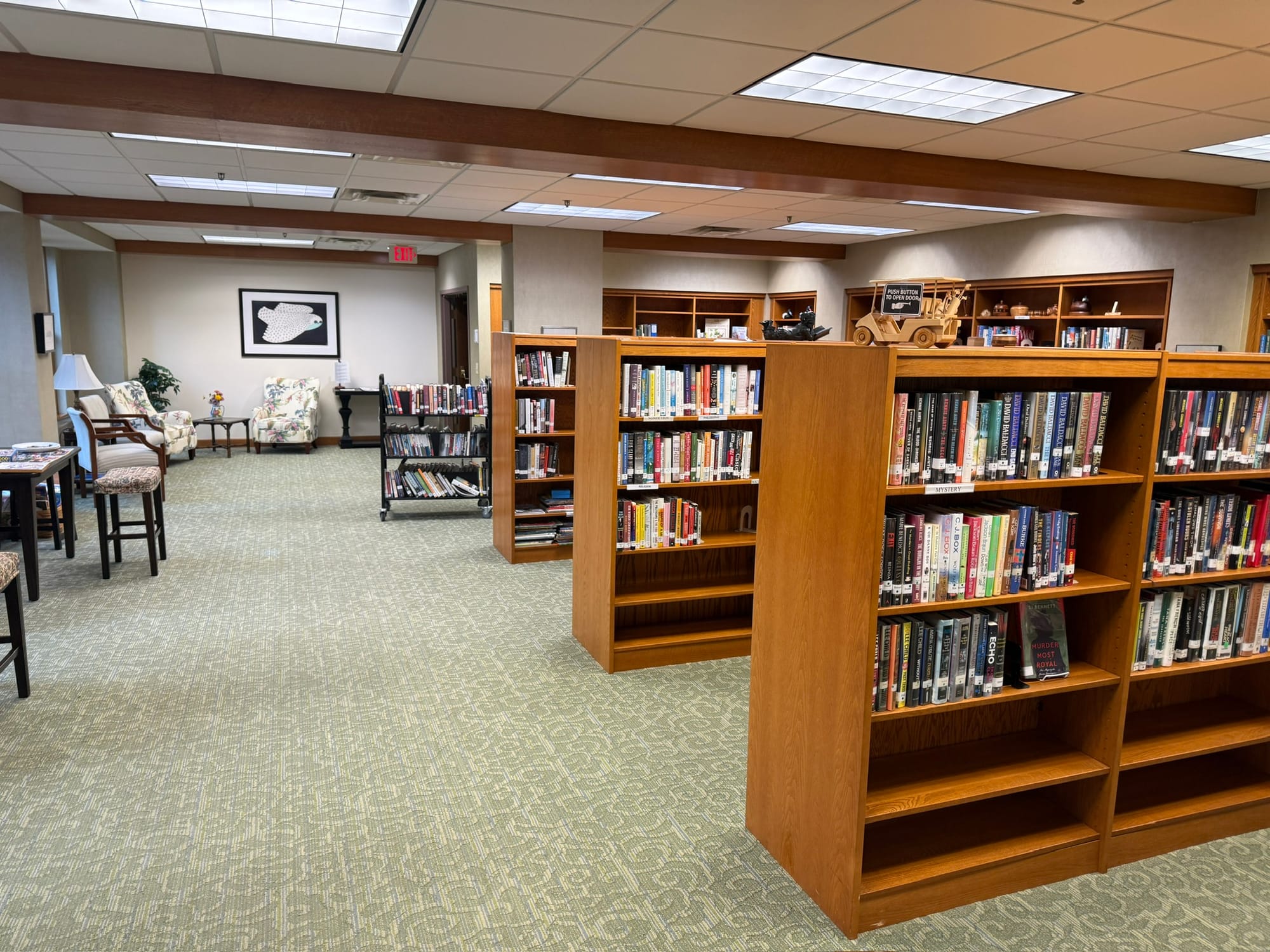
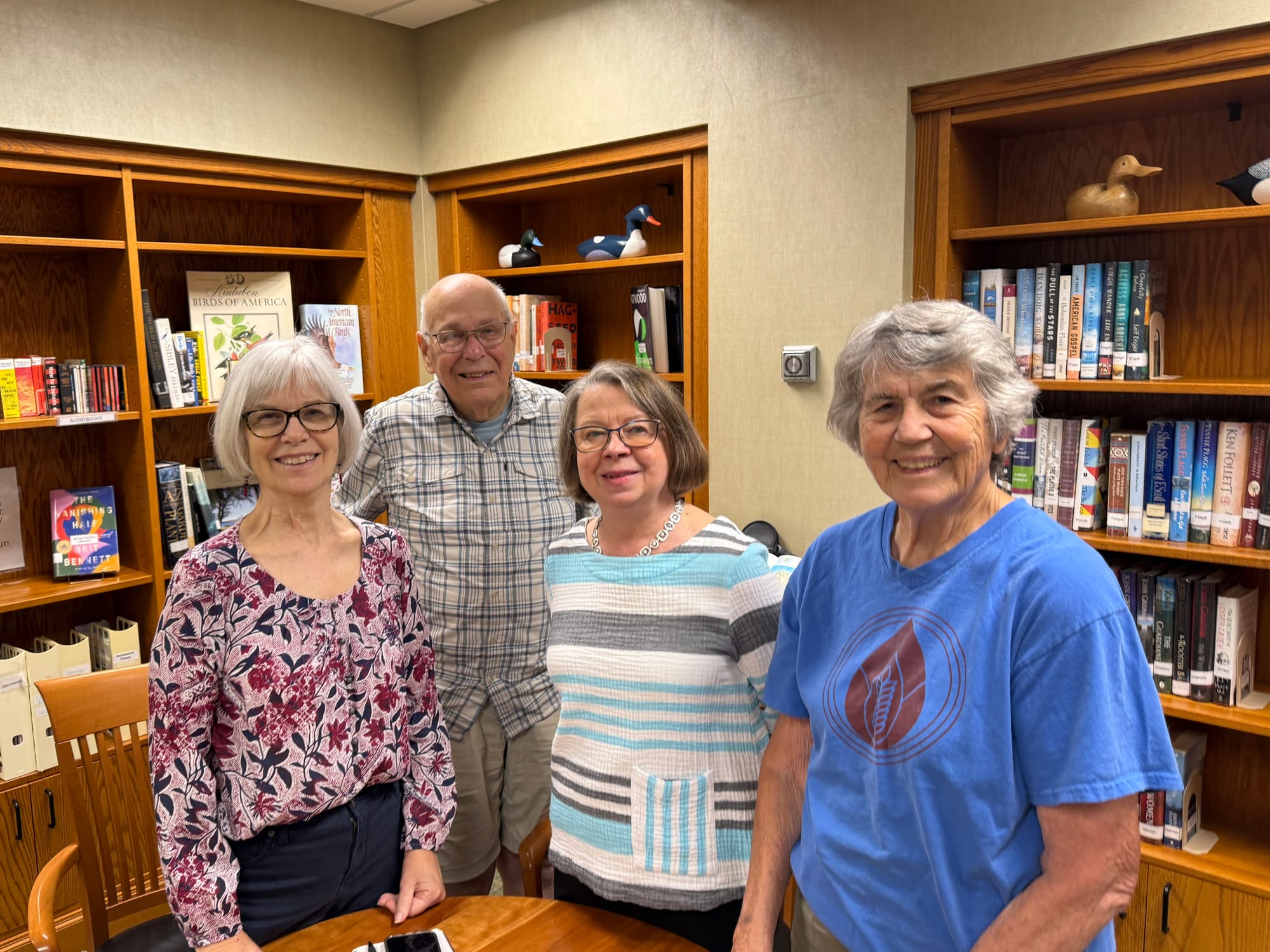
By way of example, in no particular order: The Library Committee maintains a spacious library, where there is often an actual volunteer librarian on duty. The Communication Committee produces the Becketwood Times monthly print newsletter, while an unrelated group produces a weekly e-newsletter called the Becketwood Buzz. The yearly literary magazine Becketwood Writes compiles residents' creative writing.
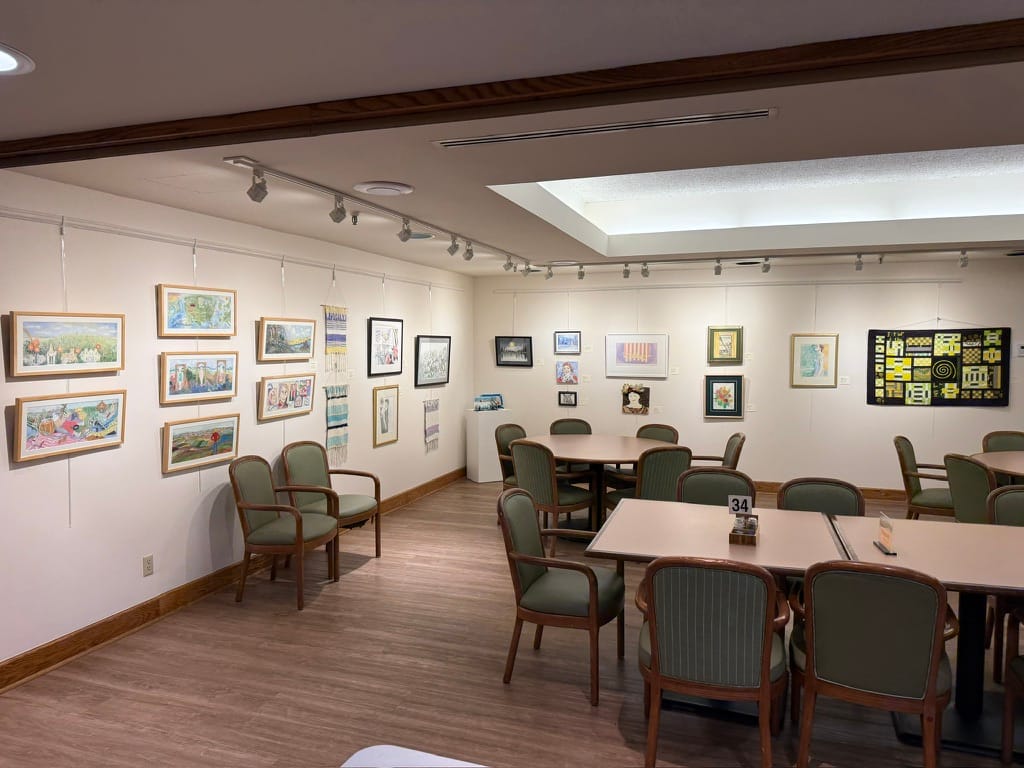
The Art Committee is in charge of the exhibits that rotate through the two standing art galleries. (Most are from outside artists, though in honor of the anniversary, the current show features dozens of pieces of gallery-grade fine art produced by residents.) One committee member per floor decides what art hangs on the rest of the walls, almost all of which is loaned or donated by residents. The Becketwood Radio Players do live recreations of classic radio plays. The Ukulele Society has 28 members and counting. There are multiple singing groups, knitting groups, and book groups. A tech-savvy bunch runs a very popular help desk for troubleshooting technology issues. Volunteers in the wood shop fix people's furniture; a group of non-handy types meet in the shop for coffee each morning and call themselves the "Gruntled," as in the opposite of "disgruntled."
The Grill Night Committee organizes potlucks. The Cat Consortium and Canine Co-Op trade pet-sitting services. Several groups address specific senior concerns — widow/er groups, grief groups, low-vision groups, end-of-life groups. The Comfort Singers choir sings to people who are grieving or approaching death themselves. The Flower Committee shops for and arranges bouquets for the common areas. The Pantry Committee makes weekly shopping runs to stock the on-site convenience store. The Becketwood Mentors pair up a longtime resident with a newcomer to help them learn the ropes. The Becketwood Buddies pay weekly visits to Howe Elementary to read to students. A Grandparents Group organizes activities for when people's grandkids visit.
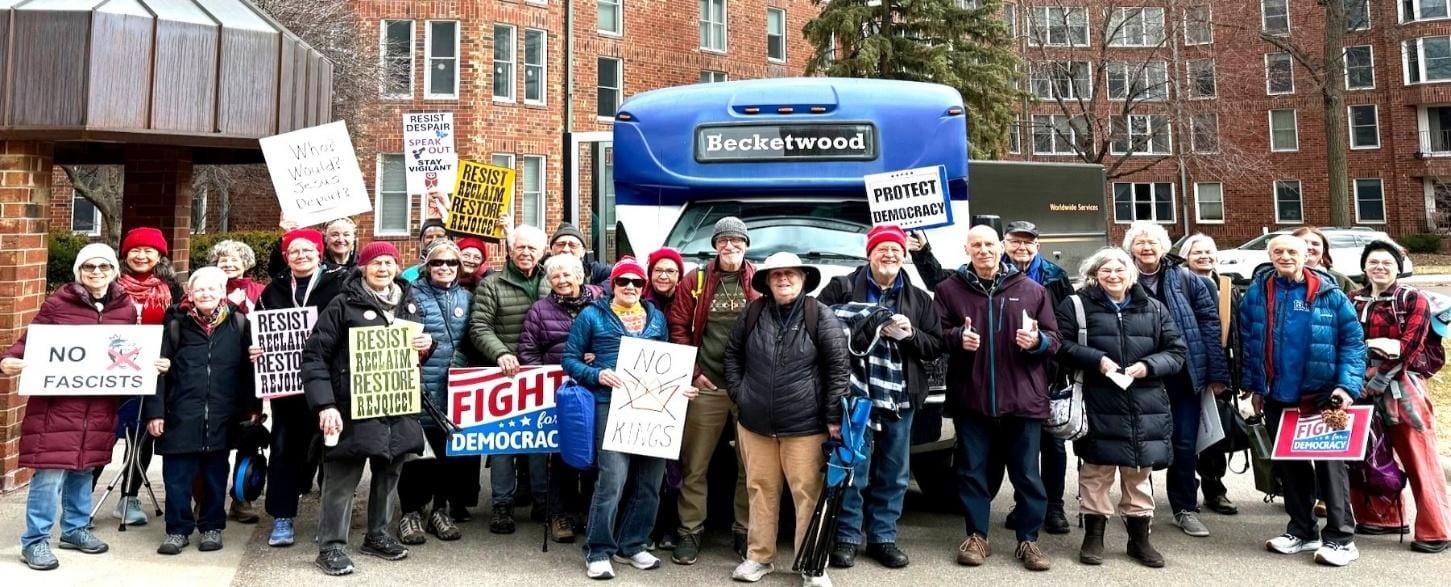
As counterculture-bred Baby Boomers have supplanted Greatest Generation members in the population, the culture has become both less buttoned up and more politically charged. The DEI Committee leads a weekly protest on River Road and regular political letter-writing sessions. There is a Resistance Singing group and a Good Trouble Tuesdays Group. There are political candidate forums each election cycle; last year all four leading mayoral candidates duked it out in front of a packed house of residents. A growing contingent of environmentalists worked with the Grounds Committee to create a meadow of native plantings atop a grassy berm known as Mount Becketwood.
No paid staff organize any of the programming, as they would at almost any other senior facility. That's the province of the Member Activities Committee and a patchwork of other groups and motivated individuals. There are groups for speaking Spanish and German. A lecture series. Weekly outdoor summer concerts. Tai chi, pilates, yoga, meditation, and a weekly bike ride along the river. Mahjong and cribbage clubs. Movie nights with a slant toward indie and arthouse films. Shopping outings. Excursions ranging from weekly lunch trips to national destinations.
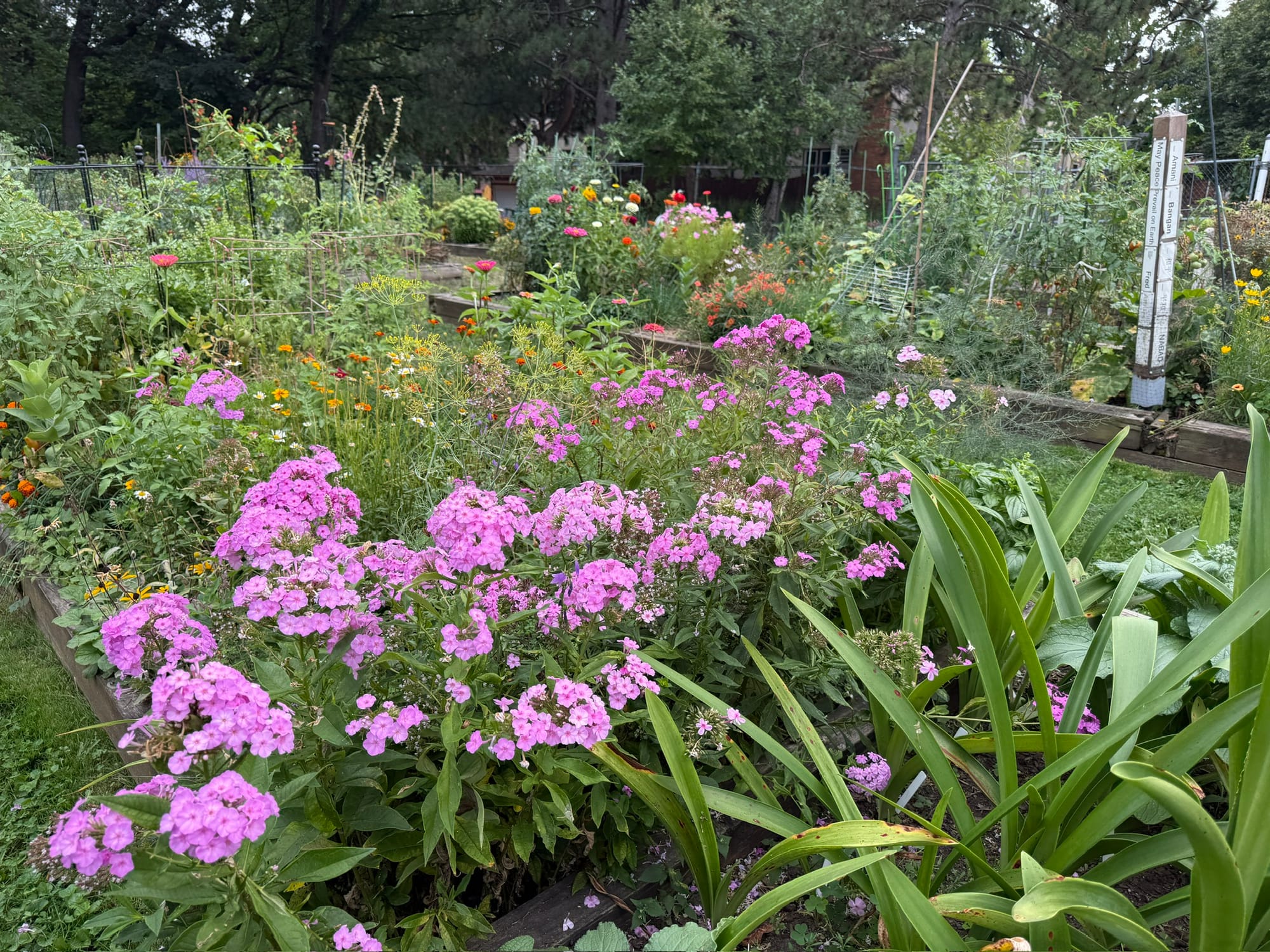
It's not just small-stakes stuff, either. When it was time to renovate the common area in the 2000's, volunteers formed a "Remodeling Implementation Team" to collect ideas, solicit bids, and oversee construction. The Patio and Windows Working Group did the same for an overhaul of the outdoor space. The Spiritual Resources Committee led the conversion of the historic chapel into a nonreligious meeting space. (The "Foyer Redesign Committee" speaks for itself.) The Environment Committee, Raking Group, Turf Group, Landscape and Garden Committee, and Garden Stewards are among the unpaid workers who help the comparatively small maintenance staff tend to the grounds. A group of volunteers has even managed the co-op's investment portfolio.
And then there's the 40th Anniversary Committee, which is working down to the wire to prepare for a four-day anniversary blowout this week. There will be a poetry slam. A much-anticipated sing-along with the Ukulele Society, including two Becketwood-specific anthems. A talk from the Spiritual Resources Committee on the history and future of the chapel. A classical music concert from an oboe-playing resident's ensemble, plus a separate "progeny" concert led by children and grandchildren of residents. And to self-referentially top it all off, a group of resident performers will give dramatic readings of quotes from pioneering co-op members from Becketwood's early days.
None of which you're invited to, though, if you're not a resident or related to one. While Becketwood has begun to host more public-facing events, its workings mostly remain inward-facing.
If you're curious about landing there someday, you can check out a tour, offered three days a week by volunteers on the Tour Committee. And if you're seriously interested, you can put down a $3,000 refundable deposit to join the waiting list. Which might be a good idea — though certain smaller units can be purchased immediately, there are hundreds of people on the waiting list for more desirable units, vying for their slice of, if not a Utopia, at least a very nice place to live.